
CFTC Advisories Drive Pricing Format Changes for Prediction Market Operators
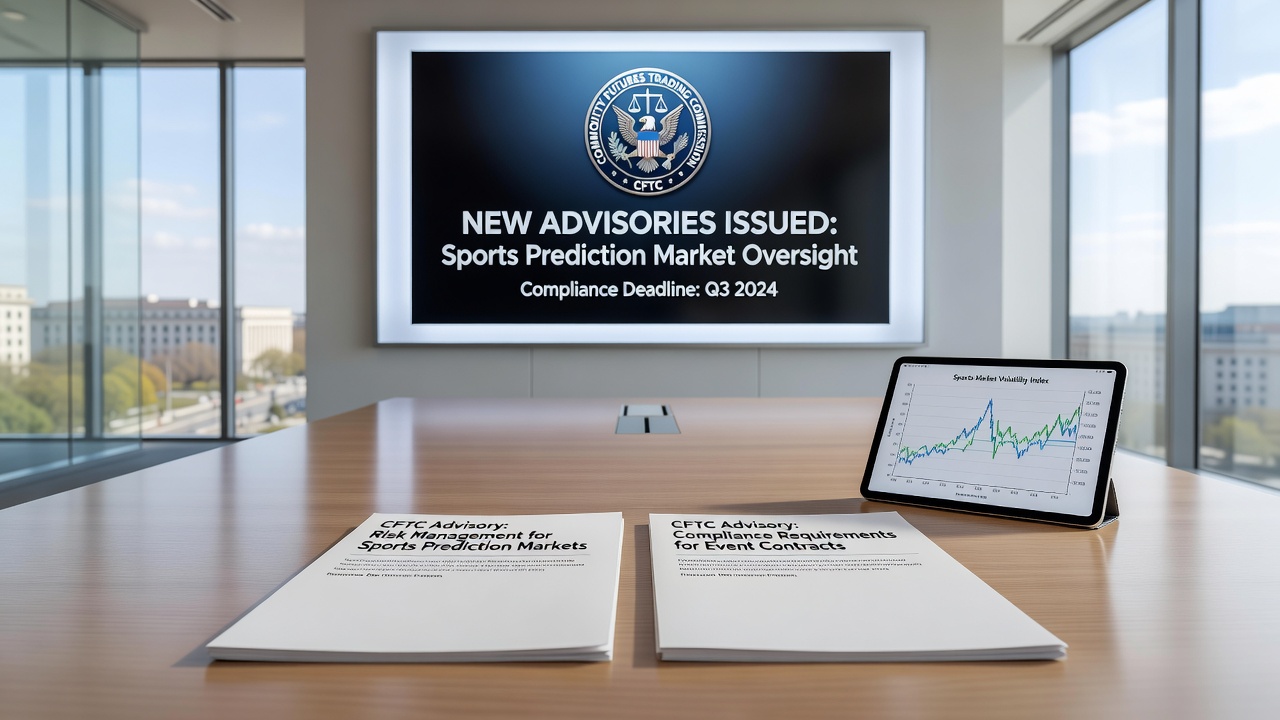
The Commodity Futures Trading Commission released a pair of advisories in August 2026 that direct sports prediction market operators to replace American odds formats with commodity exchange-style pricing structures, and the move targets potential conflicts where affiliated entities serve as both market maker and exchange. Operators including Kalshi, Polymarket, and DraftKings now face requirements to present contract prices in cent-based increments such as 45 cents or 54 cents rather than the plus or minus notations common in traditional sportsbooks. This adjustment applies as new or expanding markets open in states like California and Texas ahead of the football season.
Details of the Pricing Requirements
Advisories from the CFTC specify that prediction contracts must use pricing that mirrors traditional commodity exchanges to reduce the risk of consumer confusion. American odds such as +122 or -117 give way to decimal representations that indicate the cost to purchase a contract outright. Market participants will see prices listed between zero and one dollar, which aligns with how event contracts have traded on regulated exchanges for years. The change aims to standardize presentation across platforms that fall under CFTC oversight while preserving the underlying mechanics of contract settlement.
Operators must update their interfaces and disclosures before offering new contracts in additional jurisdictions. The advisories reference existing commodity exchange rules that already govern how contracts trade on designated contract markets. Compliance timelines coincide with the start of football season, which places pressure on platforms preparing for increased activity in newly authorized regions.
Addressing Conflicts of Interest
The second advisory focuses on situations where affiliated companies act simultaneously as market maker and exchange operator. CFTC guidance requires clear separation of roles to prevent any single entity from influencing both the creation of contracts and the trading environment around them. Platforms must demonstrate that market-making activities do not create unfair advantages or distort price discovery for participants. Regulators have observed that such dual roles can appear in vertically integrated operations common among newer entrants in the prediction market space.
Entities must now document their internal controls and submit information showing how they maintain arm's-length relationships between affiliated functions. The guidance draws from prior CFTC enforcement precedents involving similar structural concerns in other derivatives markets. Operators that fail to establish adequate separation may face restrictions on offering certain contracts until they restructure their operations.
Impact on Major Operators and Expanding Markets
Kalshi, Polymarket, and DraftKings each maintain active prediction market offerings that now require adjustments to meet the new presentation standards. These platforms have expanded or prepared to launch services in California and Texas, where regulatory approvals have opened pathways for event contracts tied to sports outcomes. The timing places implementation work directly against the backdrop of the football season, when trading volumes typically rise across sports-related products.
Platform teams are reviewing user interfaces, pricing engines, and marketing materials to reflect cent-based quotes instead of traditional odds. DraftKings in particular must align its prediction market features with the broader sportsbook operations it already runs in multiple states. Polymarket and Kalshi face similar updates while continuing to seek additional state-level permissions that would allow wider distribution of contracts.
Regulatory Context and Implementation Timeline
The advisories build on the CFTC's existing authority over event contracts that qualify as commodity interests. Staff guidance issued in August 2026 provides operators with concrete examples of compliant pricing displays and conflict mitigation practices. Platforms have begun outreach to legal and compliance teams to map current systems against the stated expectations. No public enforcement actions accompanied the release, yet the documents signal that future reviews will examine adherence to the recommended formats and structural safeguards.
State regulators in California and Texas continue their own authorization processes while monitoring how operators incorporate the federal guidance. Market participants have started to see test versions of updated pricing displays on some platforms, which indicates that technical work is already underway. The CFTC has indicated it will accept questions from operators seeking clarification on specific contract types or corporate structures.
Conclusion
The pair of advisories issued by the CFTC in August 2026 establishes clear expectations for how sports prediction markets present contract prices and manage potential conflicts of interest. Operators must transition to commodity-style cent pricing and demonstrate separation between market-making and exchange functions. The requirements affect platforms active in expanding jurisdictions including California and Texas at a moment when football season drives heightened interest in event contracts. Implementation now rests with the affected companies as they align their systems with the new standards referenced in reporting on the advisories.